
Behind Monkey Man’s commentary on Indian politics lays a hidden epidemic within the United States’s South Asian community 

By Meera Dear

Monkey Man, a John Wick-inspired ultra-violent action film, has received abundant praise and criticism for its commentary on India’s current state of affairs. The majority of the film’s commentary has focused on Hindu nationalists and the increase of sectarian violence towards Muslims and other marginalized groups under Prime Minister Narendra Modi’s administration (Sharma, 2024). However, the realistic depiction of the horrors women in India endure in Monkey Man has been overlooked. Although the movie Monkey Man shines a light on ongoing violence towards women in India, there is a corresponding epidemic of such violence within the South Asian community in the United States.

The main character in Monkey Man is haunted by the memory of himself as a child, powerless to witness his mother being raped, verbally degraded, whipped with a belt, and burned alive by a corrupt and perverted police officer. The film integrates actual footage of women being beaten in the middle of the streets of India, both realities that persist. Global attention was brought to the plight of women in India in 2012 when national outrage was sparked after the gang rape of Juti Sigh. As a result, the  Nirbhaya movement was born, an revolt from Indian women about the rape generations of Indian women have been subjected to (Mehra, 2023). 

Despite the myth that this treatment is confined to women residing in India, immigrant South Asian women continue to experience these forms of violence. A 2021 study across all fifty states found that forty-eight percent of South Asians residing in the U.S. have experienced physical violence in a relationship, and thirty-eight percent have experienced emotional violence (Rai & Choi, 2021). Sixty-four percent of Indian and Pakistani women had experienced sexual violence from an intimate partner (Yoshihama et al., 2010). The research shows that while the violence within South Asian communities is hidden in the United States, the phenomenon is alive and well. 

When I think about this issue, my heart breaks not only at the reality for women in my community but at the fact that the model minority myth enables blindness to the suffering of South Asian women. The model minority myth is a tool of white supremacy that utilizes Asian Americans’ success through assimilation to create a divide between them and other minorities (Horton, 2021). A central premise of the model minority myth is that the key to overcoming American racism is simply through strong values and hard work, with the implication being that groups that have not succeeded simply have not tried hard enough (Horton, 2021). With so many Asians buying into this racist fantasy, it perpetuates another myth that breaking out of the image of perfection is a personal failure. Maintaining an image of perfectionism is common for many different Asian ethnic groups; South Asians face unique challenges since the culture promotes a neverending search for perfectionism, which has resulted in individuals hyper-fixating on their external perception and image (Ragavan et al., 2018). This poses an additional obstacle for women who are in abusive relationships because divorce is seen as a personal failure and is in direct contrast to what was instilled in them since birth. The shame surrounding divorce is particularly suffocating for these women because not only do they have to break free from the brainwashing from their abuser, but they also have to deal with the shame from the community and, often, family members (Ragavan et al., 2018). 

 There are multiple women I know from my community who were the epitome of the wealthy, ultra-successful Asian “model minority.” They were young immigrants with Ivy League educations, and many have worked their way to executive officer positions at leading companies in the nation. Their hidden reality is that these women have only known abuse in their personal relationships. From their father to their current spouse, these women equated abuse with love and have never experienced unconditional love from a man. These individuals are painted as images of the “perfect immigrant” and the example for other minorities to strive towards, but nobody understands what they truly endure. To make matters worse, nobody cares to see what is under the surface of these women’s lives. When these women are seen by the public, the only thing that matters is that their success is weaponized against other minorities to show that if you “do it the right way,” you can achieve the American Dream. 

The mental health struggles immigrants face in adapting to another culture, also known as acculturative stress, instill the idea that they must do anything to provide for their family, even if that comes at a cost (Siddiqui, 2022). The model minority myth can create an intense fear in individuals, causing them to believe that if they break their image of perfection or leave their relationship and speak out about their abuse, their job, status, and ability to provide for their family could be jeopardized. This can be incredibly isolating for women who see their own abuse and want to leave, but the shame of being seen as a failure not only by their own community but also by society keeps them stuck. These examples do not mean every woman who presents as the epitome of the model monitory myth is being abused. Still, the prevalence in the South Asian community is large enough that it is vital to examine the systemic inequalities that have allowed this issue to persist. Highlighting these women’s suffering, abuse, and acculturative stress endured would have gone against the premise of the model minority myth and shown that “working hard to gain the American Dream” is a facade and synonymous with silent suffering. 

The main character in Monkey Man, seeking out pain his entire life after witnessing the violent injustice committed against his mother, can be seen as an analogy for how witnessing violence in childhood corrupts a child’s value system. Constance Chapple hypothesizes that there is an intergenerational transmission of a corrupted value system from parents who are in violent intimate relationships to their children. In this value system, parents teach children that violence, in intimate and perhaps other relationships, is normal and, at times, desirable (Chapple, 2003). This corrupted values system can occur to any child who witnesses it, but people pay less attention to South Asian victims due to the model minority myth. A survey of South Asian adults born abroad and in the US found that forty-one percent of survey respondents witnessed parental violence in their homes (Robertson et al., 2015). Another study found that Indian and Pakistani victims born in the U.S. or who had immigrated to the U.S. pre-adolescence were more likely to experience physical violence, sexual assault, and stalking compared to those born outside the U.S. and those who immigrated post-adolescence (Yoshihama et al., 2010). This research shows that while the violence within South Asian communities is hidden in the United States, the phenomenon is not only alive, it results in increased violence in the community, laying fertile seeds for the cycle of generational trauma to continue.   

After decades of South Asian women suffering in silence behind the iron-clad gates of the model minority myth, change must come. Without it, the cycle continues, putting South Asian youth at risk of relationship violence and priming them to be victims of exploitation. South Asian women do not deserve to suffer in silence 

References

Chapple, C. L. (2003). Examining intergenerational violence: Violent role modeling or weak parental controls? Violence & Victims, 18(2), 143–162. https://doi.org/10.1891/vivi.2003.18.2.143

Horton, A. (2021, June 7). John Oliver: ‘The model minority myth is a tool of white supremacy and a trap.’ The Guardian. https://www.theguardian.com/tv-and-radio/2021/jun/07/john-oliver-the-model-minority-myth-is-a-tool-of-white-supremacy-and-a-trap

Mehra, P. (2023, May 18). Nirbhaya, #MeToo & Orientalism in transnational gender politics. E-International Relations. https://www.e-ir.info/2023/05/18/nirbhaya-metoo-orientalism-in-transnational-gender-politics/#_ftn1

Ragavan, M. I., Syed-Swift, Y., Elwy, A. R., Fikre, T., & Bair‐Merritt, M. (2018). The influence of culture on healthy relationship formation and teen dating Violence: A Qualitative analysis of South Asian female youth residing in the United States. Journal of Interpersonal Violence, 36(7–8), NP4336–NP4362. https://doi.org/10.1177/0886260518787815

Rai, A., & Choi, Y. J. (2021). Domestic Violence Victimization among South Asian Immigrant Men and Women in the United States. Journal of Interpersonal Violence, 37(17–18), NP15532–NP15567. https://doi.org/10.1177/08862605211015262

Robertson, H. A., Nagaraj, N., & Vyas, A. (2015). Family violence and child sexual abuse among South Asians in the US. Journal of Immigrant and Minority Health, 18(4), 921–927. https://doi.org/10.1007/s10903-015-0227-8

Sharma, S. (2024, April 18). Why a third term for Modi could be ‘catastrophic’ for India’s 200 million Muslims. The Independent. https://www.independent.co.uk/asia/india/india-elections-muslims-violence-hindus-modi-b2521576.html

Siddiqui, S. M. (2022). Acculturative stress, everyday racism, and mental health among a community sample of South Asians in Texas. Frontiers in Public Health, 10. https://doi.org/10.3389/fpubh.2022.954105

Yoshihama, M., Bybee, D., Chic Dabby, & Blazevski, J. (2010). Lifecourse Experiences of Intimate Partner Violence and Help-Seeking among Filipina, Indian, and Pakistani Women: Implications for Justice System Responses. https://api-gbv.org/wp-content/uploads/2017/07/Lifecourse-IPV-help-seeking-2010.pdf

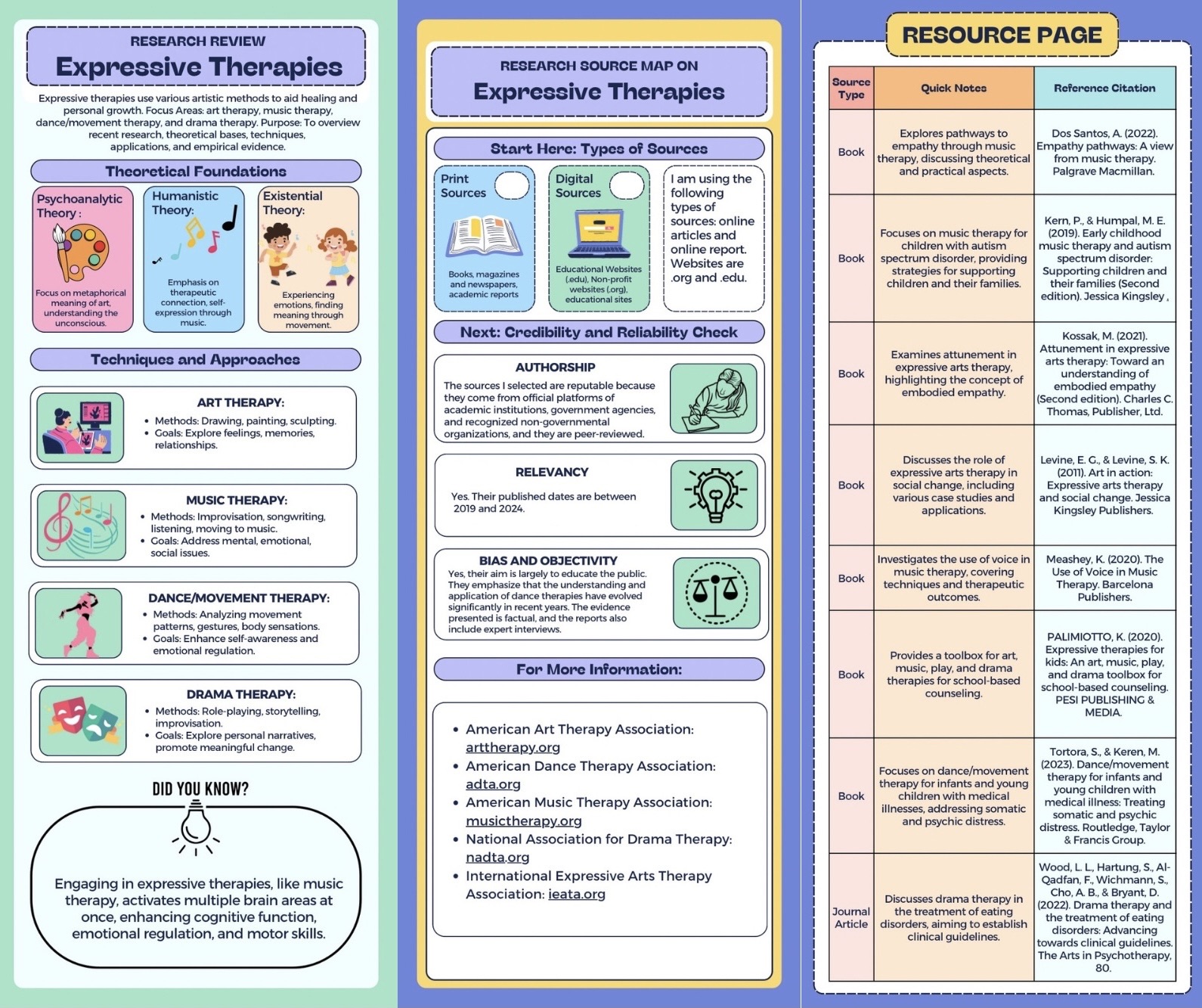
Expressive Therapies: A Research Review by Karina Piliguian

Have you heard of expressive therapies? You might be more familiar with terms like dance therapy or art therapy. This article provides an overview of the latest research on expressive therapies, exploring their theoretical foundations, techniques, applications, and the evidence supporting their effectiveness in treating mental health issues.

Expressive therapies
encompass a range of creative approaches, including art therapy, music therapy,
dance/movement therapy, drama therapy, and emerging methods that use the expressive arts to
foster healing and personal growth. I like to describe it as a way to express emotions that are
often difficult to put into words. Although expressive therapies are less widely known, they offer
numerous benefits and have substantial evidence demonstrating their effectiveness.

Theoretical Foundations

Speaking of its effectiveness, expressive therapies are grounded in various psychological theories, such as psychoanalytic, humanistic, existential, and behavioral approaches. For example, art therapy draws on psychoanalytic theories, emphasizing the symbolic meaning of art as a way to access the unconscious mind. By illustrating one’s emotions, nonverbal behaviors can be observed, and artwork can be interpreted to reveal deeper emotional states related to mental health. Humanistic theories are often applied in music therapy, focusing on the therapeutic relationship and the innate ability to express oneself through music. This mind-body connection helps individuals understand the harmony between their emotions and physical sensations. Existential theories play a key role in dance and movement therapy, emphasizing how emotions are experienced through the body and how movement can help individuals explore meaning and purpose in their lives. Drama therapy, on the other hand, is rooted in both existential and behavioral principles. It uses role-playing, storytelling, and improvisation to help individuals explore their emotions, gain insight into their life situations, and rehearse new ways of behaving. By acting out different roles or scenarios, clients can confront unresolved conflicts, develop emotional resilience, and gain a greater understanding of themselves.

Techniques and Approaches

Each type of expressive therapy utilizes specific techniques and methods tailored to meet the unique needs of the client. In art therapy, drawing, painting, sculpting, and other visual forms of expression help individuals process their feelings, memories, and relationships. Music therapy addresses mental, emotional, and social challenges through activities like improvisation, songwriting, listening, and movement to music. Dance/movement therapy fosters self-awareness and emotional regulation by encouraging individuals to explore their movement patterns, gestures, and bodily sensations. Drama therapy, on the other hand, employs techniques such as role-playing, storytelling, and improvisation to help individuals explore personal narratives and enact meaningful changes in their lives.

Applications in Mental Health Treatment & Empirical Evidence

Expressive therapies have been applied across diverse populations and professional settings, including individuals with mental illnesses, trauma survivors, children with developmental delays, older adults with dementia, and those grieving or experiencing loss. Research indicates that expressive therapies can benefit individuals with anxiety, depression, PTSD, and other mental health conditions by enhancing coping skills, boosting self-esteem, and strengthening interpersonal relationships.

Expressive treatments, like dance and dance/movement therapy (DMT), are getting more and more attention for their possible health benefits. Lopez-Nieves and Jakobsche (2022) did a review of the biomolecular effects of dance movements and DMT on different biomolecules in the body. They put together both clinical and experimental studies to show how dance can change hormones and small-molecule metabolites. The results show that dance practices might have an effect on body and mind, causing changes in biomarkers like nitric oxide, serotonin, estrogen hormones, and cholesterol levels. The real-world proof shows that including dance in wellness activities might be good for your health and gives us a better understanding of how it works as a therapy.

In addition, Lauffenburger (2020) looked into what makes DMT/psychotherapy (DMT/PT) different from other types of therapy. Lauffenburger used Koch’s framework for figuring out how well creative arts treatments work to come up with ten unique things about DMT/PT. Some of these traits are dynamic, creative interconnectedness mixed with ideas from psychoanalysis, psychology, and specific movement frameworks. By helping people understand these things better, dance movement therapists and psychotherapists can promote the uniqueness of their job in an ethical way. This empirical investigation shows how complex DMT/PT is and how it has the ability to bring about deep therapeutic changes.

Together, these real-world studies add to the growing body of proof that dance and DMT can help with therapy. Randomized controlled trials and longitudinal studies, among other types of study, are needed to help us better understand how these interventions work and how well they improve mental health.

Expressive therapies are a creative and all-around way to treat mental health problems. They combine creative expression with psychological ideas to help people heal and find themselves. As the field grows, more study and clinical practice will help us learn more about expressive therapies and how they might be used with a wide range of people.

References

Lopez-Nieves, I., & Jakobsche, C. E. (2022). Biomolecular Effects of Dance and Dance/Movement Therapy: A Review. American Journal of Dance Therapy, 44(2), 241–263.

Lauffenburger, S. K. (2020). ‘Something More’: The Unique Features of Dance Movement Therapy/Psychotherapy. American Journal of Dance Therapy : Publication of the American Dance Therapy Association, 42(1), 16–32. https://doi.org/10.1007/s10465-020-09321-y

But you’re so beautiful, what’s the catch? Why aren’t you married yet? Is there something you’re hiding?

Read the title and count ladies, how many times we’ve all heard this before in the dating/hookup culture. Whether it be on dating apps, friend gatherings, family functions (and dysfunctions…lol), work, or by some obnoxious random stranger.

It’s almost like they are talking to you like a poor, helpless, forgotten soul that is bound to be lonely FOREVER if they don’t find a partner/husband ASAP. Here is what us WAC ladies have to say in response to those of you that think like this or open your mouth’s to say such ignorant comments and/or ask dumb questions:

  1. Mind your own business. Pretty simple. My business, my sex life, my dating life, my choices are my business and mine only. When I decide to let you subscribe to my daily life diaries published online and we meet at my book signing, you can ask me stupid questions then. But for now …STFU.
  2. Her being “beautiful” is not a green light for you to give her a backhanded compliment. On one hand you are complimenting her outer looks and on the other hand you are insulting her by stating that her marital status must mean there is something defective about her or else she would have already been married. So classy. Mind you this is coming from many men who themselves aren’t married yet, or come from broken families and wouldn’t dare say these things to their mothers/sisters. Or would they? Oh, cause in that situation, it’s blood– you can’t insult your own mother and sister…but the girl you love and think is beautiful from head to toe…her ….yes her…YUP you can insult. Said no one.
  3. The only thing she is hiding from is your inability to be curious to learn more about her and your inability to be mindful of what you say and how you say it. It’s called being a mature adult and not being judgmental, for there is no person on earth that is roaming around and is perfect. So again STFU.
  4. If there is a defect with her, or something “wrong” with her….why are you approaching her and trying SOOOOOOOOOOO HARD to get her attention? Is the only way you can hit on a girl now a days is by throwing an insult mixed in with the dirty martini compliment? Go read a book on how to become a gentlemen. No serious, go. Here is a link: CLICK HERE . You’re welcome.
  5. We are so sick of the demanding double standards that are placed on us women for whatever reason we choose to do for our lives, and sometimes it’s not even chosen, it’s just fate. So seriously back off and let God determine what’s best for her life story. You guys are making us girls sick and mentally depressed and filled with anxiety. That is a form of bullying guised in a pretty little tutu. Just stop twirling around us already and GTFU (grow the fuck up)….
  6. If you don’t want to be attacked, lay off asking stupid questions. Love her for how far she has come in her life aside from the oppression, trauma, double standards, pain, unrealistic standards of beauty, etc. Celebrate her, don’t sit that and analyze her and make her feel like shit. Regardless of a women’s age, she should be admired if you want to date her. Buy her flower. Take her to a date and not just a coffee sit down. Put effort and win her over just like back in the days.

It’s honestly exhausting dealing with these types of people. We probably shouldn’t have just stated that this message is for men, because in all honesty. Now that we think of it, women say it to women too. UGHHHHH. ANNOYED to the MAX. lol.

We need to be the change if we want to see the change. Everyone has the right to feel loved and wait for true love. There is nothing wrong with waiting to get married and doing it when it’s organic and natural for you. Not, OH, there is so much pressure let me just settle to shut everyone’ s mouth up. YUCK. How miserable would you all be? And people wonder why divorce rates are so high.

So in conclusion, be nice, think nice, do nice. It’s basics people, basic. We’re talking in lament terms, basic math, basic kindergarten 101 if you want. Let’s just all try to be better at being HUMANS and treating others like humans too.

Insurance & Financial Solutions with Patty K.- An Interview by Dr. Lena Magardechian


cropped-womens2.jpg

Contact me for further information.
Patty Kodabakshian 
CA LIC#: 0G15832
818.419.5052


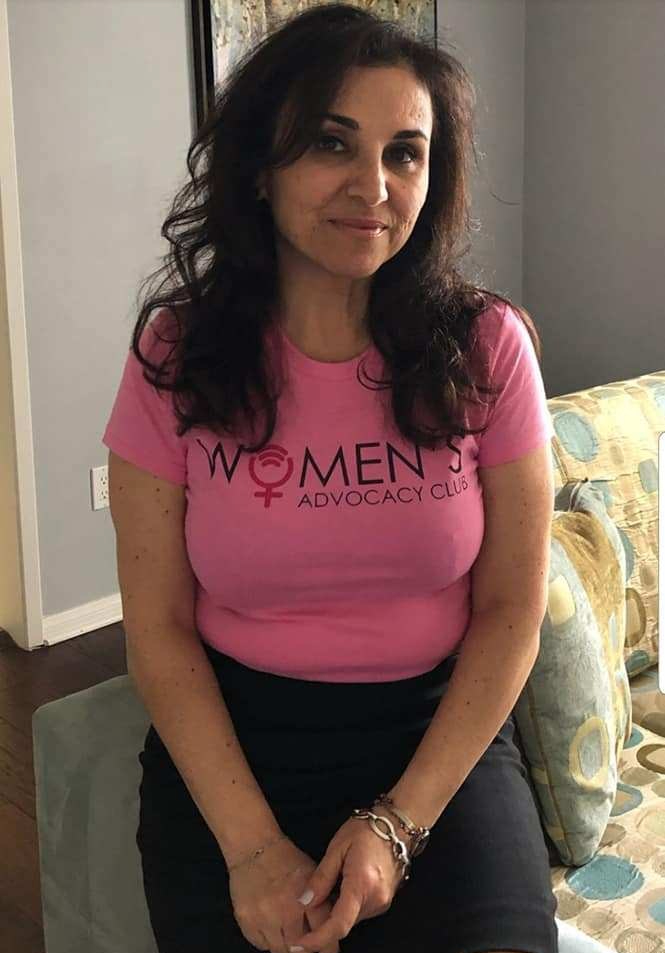
 Mrs.Patty Kodabakshian is definitely a superwoman in our club! She is a 52 year old wife, a mother of two daughters Preni and Elene, who are 17 and 14, and one ambitious entrepreneur with a big heart.

Dr. Lena Magardechian sat with Mrs. Kodabakshian over Starbucks coffee to meet with her and recognize her as being a true role model in our society, community, and world.  In response to this open invitation, Mrs. Kodabakshian was very receptive and open to being interviewed on her life.  Please read the interview questions below with Mrs. Kodabakshians responses. 


  1. Mrs. Kodabakshian, can you tell us a little more about you and your upbringing? We’d love to hear where you were born and what growing up in America was like for you. Certainly.   I was born in W. Berlin, Germany and was 2 years old when my parents and I went to Iran, where they are from.  I lived in Tehran, Iran until I was 11 years old.  We immigrated to the US in 1978, right before the revolution, and have lived here ever since.  When we came here, I did not speak English and had to learn the language. Obviously through going to school here, I learned English.  Growing up here back in the last 70’s was very tough because it was during the American hostage crisis.  I was teased a lot because they knew I was from Iran.  The kids in school were very cruel.  I really didn’t like it here.  I stood out because of my race. I decided that I was never going to tell another soul that I am from Iran!! Due to all the bad experience, my parents decided to put me in a better educational environment where there would be less hate. So, for high school, I went to a private Armenian school, with my own people!

  2. During our sit down you mentioned that you didn’t know you were going to become an entrepreneur, especially in the life and health insurance field. Can you tell our readers what made you get licensed in this field and what other experiences and degrees you have? I was in the legal field for 16 years, working as a paralegal, specializing in Estate Planning and transactional law.  I loved what I did, but I was capped and limited. There was no growth and if I wanted to grow, I’d have to go to law school, which was not an option.  In 2003, I became a mom and it became harder for me. I wanted flexibility, more time to be with my daughter and make more money.   As it turned out, when I was pregnant with my second daughter, my boss was diagnosed with cancer and died shortly thereafter.  This gave me the opportunity to take a year off to spend with my kids, all while my weighing my options.  I decided that if I became my own boss, I would have the flexibility to be with my kids.  As a working mom, you need to your own time.  Working around their schedule was what gave me the flexibility to be able to pick them up from school, or take them to the dr.  It’s been like this for 11 years now and I love it.

  3. In your line of work, what motivates you and drives you to stay focused and helpful? What tips would you give other women striving to achieve “success”?What motivates me the most is helping my clients uncover their unrealized needs.  We as women can be vulnerable and not really understand what we need help with.  I’d say be unstoppable and relentless in whatever it is you do.  Give your all no matter what.

  4. You did such a great job explaining the process and importance of life insurance Mrs. Kodabakshian.  Could you show in a simple step by step diagram how women especially can benefit and need to take care of their finances by investing in life insurance? Life insurance has evolved so much. People don’t just need it if they die anymore.  Now, you can utilize it while you’re alive and take advantage of what features and benefits it offers, such as tax free retirement and need for long term care when you’re older and get sick.   You can create a huge wealth with life insurance by a stroke of a pen you create dollars that never existed before!

  5. During our interview you talked briefly about your daughters.  If you are okay with us asking, can you tell us more about what you instill in your daughters and what you do or do not teach them about feminism? I tell them to be open minded.  I tell them to speak their minds. As a mother, I’m their role model. I have to be transparent as much as possible.  I teach them to have good values and morals.  Don’t be dependent on a man to take care of you in the future.  They need to be self-sufficient.  They need to be independent.  As far as feminism goes, girls nowadays understand about women’s rights so much more than I did when I was their age.  They know about abortion, date rape, when to say no, Pink Tax, equal pay in the workforce. I think they could teach me a few things on that matter!

  6. The #WomensAdvocacyClub is currently running a campaign called #HeelsHealCampaign.  The campaign is about empowering women to heal from past rape, molestation, hurt, heartache, abuse, or anything that left them feeling pain and unheard.  Do you have anything you would like to share with us that applies to this? If so, can you also provide us with a picture of you in your heels? We want to post it on social media and support your healing success. As a survivor of date rape and molestation, I’d say rise above it and don’t allow any man to take advantage of you, EVER.

  7. Lastly, we’d like to ask you to tell our readers a little bit about why you decided to get involved with Women’s Advocacy Club and what it means to you to be a part of a global movement? I decided to get involved because we need a platform like this to allow women share and learn from one another.  We need to come together as a community and empower each other, celebrate our successes and lift each other up.


For more information about our member, Mrs. Patty, please go ahead and click on her Facebook Link here to connect:

Insurance and Financial Solutions by Patty K.


This slideshow requires JavaScript.


Don’t Tell Her How to do Her Job


Wait. What? I didn’t ask for your input or advice, did I? Didn’t think so. So thank you, but NO THANK YOU. This is her life, her game, her way.


Women often times than not are subjected to being “told” what to do and/or “how” to do something.  Imposing that there is a “wrong” or “right” way.  This is complete NON-SENSE because women don’t need a man or anyone to tell them how to do the following:


How to do their job 

What career path they should take 

Who they should and shouldn’t interact/collaborate with

How they should parent their child or children

How they should look 

How they should dress

How they should behave in public

How they should behave in private

And anything else that requires independent decision making 

Women need space, as does anyone else on our planet Earth, to have the freedom to express artfully (through various mediums: language, music, dance, poetry, art of drawing, sketching, writing, etc) what they feel, think, and believe Women in society deserve respect for any decisions they make and need to be given privilege to do so. 

Women are delicate creatures, and they deserve to be celebrated for their beauty of expressions. This should not be mixed up with weakness when women show the following expressions: Fear, anxiety, tears, hurt, cry, or pain.  These emotions are important for women to have and experience just as much as it is important for them to be a happy, loving, joyful, and upbeat.

Should a woman fail when she makes her decision? SO WHAT. Life is meant to make mistakes over and over and over!!! Women are not programmed to be perfect nor will they ever be and that’s what makes them beautiful.  So please, be mindful and kind to your fellow women and girls.  Let them do as their heart desire and keep your “judgements” and “corrections” to yourself.  After all, no one asked for them.

9b3d4d45869ed8730947c1ce4133f6dc


MAD as WAC.

tenor

YES WE ARE MAD, BUT WE ARE HUMAN.

YES WE ARE MAD, BUT WE HAVE A HEART.

YES WE ARE MAD, BUT WE WANT RESPECT.

YES WE ARE MAD, BUT ARE NOT VIOLENT.

YES WE ARE MAD, BUT WE WILL NOT BE QUITE.


BEING MAD IS OKAY. BEING ANGRY IS OKAY. WE ARE COMMUNICATING OUR FRUSTRATION WITH HOW INJUSTICE CONTINUES TO SURVIVE IN OUR SOCIETY. AND PEOPLE ARE BLINDLY FEEDING THIS MONSTER AS IF IT WILL NOT IMPACT THEM AND THEIR LIVES AS WELL AT SOME POINT.  

IT’S LIKE BEING STABBED IN THE HEART AND NOT CRYING FOR HELP. HOW DO WE EXPECT SOCIETY TO FLOURISH WITHOUT RECOGNIZING THAT THINGS ARE HAPPENING IN THIS WORLD THAT ARE ONLY REINFORCING HATE, INJUSTICE, INEQUALITY, AND MISTREATMENT?

BEING AN ADVOCATE TO US MEANS RE-ENERGIZING AND GETTING BACK OUT IN SOCIETY AND FIGHTING THE INVISIBLE WAR AGAINST:

WE.

THE POOR.

THE COLORED.

THE DIFFERENT.

THE LESS PRIVILEGED. 

THE FEMALE SOUL, MIND, AND BODY.

THE DISABLED.

THE DOUBLE STANDARDS.

THE GENDER RESTRICTIONS.

THE EMOTIONALLY NEGLECTED AND EXCLUDED.

SHOULD YOU NOT HAVE ANGER BUILT UP IN YOU, YOU PROBABLY DON’T CARE TOO MUCH FOR THESE ISSUES AND FOR THAT REASON WE ASK THAT YOU MOVE ASIDE AND ALLOW THOSE OF US THAT SEE INJUSTICE HAPPENING STEP UP AND BE WARRIORS. 

tenor

“Professionalism” and Sandbags

In all my work and career, I have hear the word “professionalism” thrown around like a sand bag. No meaning, random, no definition, or value when said …just like a sand bag. I have had many critics expect me to fit into this sand bag thinking of being a so called “professional” — mind you I have no idea what their idea of this construct is. Does it mean wear a tie? Does it mean speak like you know the entire dictionary heart to heart word by word? What on earth is meant by this word?

Here is what I have come to figure the meaning of this words is in my experience:

1. Be professional..meaning don’t speak your mind.
2. Act professional..meaning don’t do anything that might be offensive to anyone at anytime as long as you live on this earth.
3. Look professional…meaning DO NOT have a social life or in anyway show that you dress in anything else but dress pants and a collared shirt.

In other words BE, ACT, LOOK professional: meaning is to fit into the box and hold on to the values of the mainstream culture. Don’t question it, don’t challenge it, just do it is basically the subliminal message.

When this word is thrown around it gets confusing, because of course context matters. For example, when a person is on social media and wants to showcase pictures of themselves in a photo shoot because they love modeling they have that right to do so, because the context in which they are displaying it is appropriate to them. They aren’t dressing up in a swimsuit and showing up to work for example, so that shouldn’t be anyone’s business what side projects that person is doing.

The point is, we need to understand that being “professional” is not a lifestyle but rather a behavior of conduct in a CERTAIN CONTEXT and shouldn’t be the way of living for a person just because they are worried people will stock their social media or life in general.

I say this especially because as a woman, I carry myself very professionally in my work context as I recommend everyone should. However, when I want to do advocacy work for my non-profit, work on my modeling, go exercising in short shorts or do anything else — that’s no one’s business. I can behave however I want outside of the context of my contracted work and jobs. It is unrealistic to keep boxing people up. Yes I wear bathing suits, I curse, I drink socially, and do other “human” activities. I am not going to constrain myself to only keeping a image that is JUST PROFESSIONAL (Sand Bag?)– isn’t that what LinkedIn is for? Other outlets of media are created for this very reason– to help humans connect outside of work and show interest in the arts of creativity.

Creativity is pretty much what I wanted to get at as my last point. We need to be open to people being creative with their lives and work. Or else we just have a bunch of robots running this world, and that my friends is literally a no-brainer world.


forum_bodybuilding

An Interview about WAC with Dr. Magardechian: By Forensics Psychologist, Robert Benjamin

Who are you, and what do you do surrounding career counseling?

Dr. Lena Magardechian, founder of Women’s Advocacy Club (WAC). Growing up Dr. Lena was faced with challenges, including discrimination, harassment, bullying, belittling, and sexism. Due to these experiences she felt compelled to make changes globally by not only pursuing her own psychology doctorate, but also starting an organization that stood up for justice, humanity, empowerment and kindness.

What is the mission statement surrounding your organization?

According to Dr. Lena, “the WAC organization continues to grow and we hope to connect with more people in the community to continue to support women and men from all walks of life on important gender and social justice issues that must be addressed”.

What demographics do you work with?

She works with all demographics of gender (women, men, transgender, and non-binary), ethnicity, ages, disabilities, races and nationalities. All of which can benefit in their own personal growth through networking, activities, events, and meetings. Dr. Lena sets the foundation of diversity education and exposure that helps the client better navigate their personal and career growth. Those who contribute their time and energy to the growth of the organization benefit not only through being educated and mindful of their surroundings, but also benefit having a reliable reference. In addition, students and volunteers are provided with a signed acknowledgment of participation. Social and professional advancement.

What methods do you use to help clients?

Top priority: gain information of what the client wants to get out of the organization. Once that is established, Dr. Lena focuses on the strengths of members of the club. This provides a nurturing and safe environment for the clients to grow with more gender awareness in a culturally sensitive society. Dr. Lena also has leaders, who create their own titles within the organization that support the needs and the mission of the club (e.g., content director, sales director, etc).

What are common challenges faced by your clients?

Sometimes people think they can solve their personal needs and goals in the course of a week. However, through patience, maintenance, and a positive attitude, students have benefited from the organization. For example, students learn public speaking, marketing, networking, professionalism, writing, and advocating.  

Stop Projecting Perfection.

We live in a society that encourages us to speak up and advocate for humanity. Yet we scold and punish people who get up and do it. The hypocrisy in society is just disgusting. How is anyone suppose to stand up for justice when people who refuse to stand up only have judgement and negativity to offer?

Society is fixated with social media likes and loves as a means of gaining approval. Since when was living life about approval? The only approval you need is yourself, and if you are a believer of God, then him too or any religious figure your worship.

People have to feel free to express themselves twenty four seven. We can’t build up our emotions and pain all because we are worried it might be hurtful or offensive to someone.

We need to practice compassion and empathy in our voices and messages to the world. Anger is not a bad feeling, however it needs to be contained and expressed in a positive manner. So yes, I’m angry, I’m angry at the way the world has become so cold towards feelings, emotions, mental health, and pain.

This white picket fence lifestyle is so cliche and hard to keep up with. There should be more stories of pain, hurt, and truth on social media. Not just wedding photos, baby pixs, and anything that touches on ONLY the happy moments of your life or other’s lives– THAT IS NOT REAL.

Having only happy memories and sharing them is NOT real.

Real is saying, ” Hey I am depressed and I am going to therapy weekly” — or ” I am in financial debt and I hope I do not lose my job, any pointers on how to find a full time job would be great” — I would love to see more status updates with these types of truth, you know why?

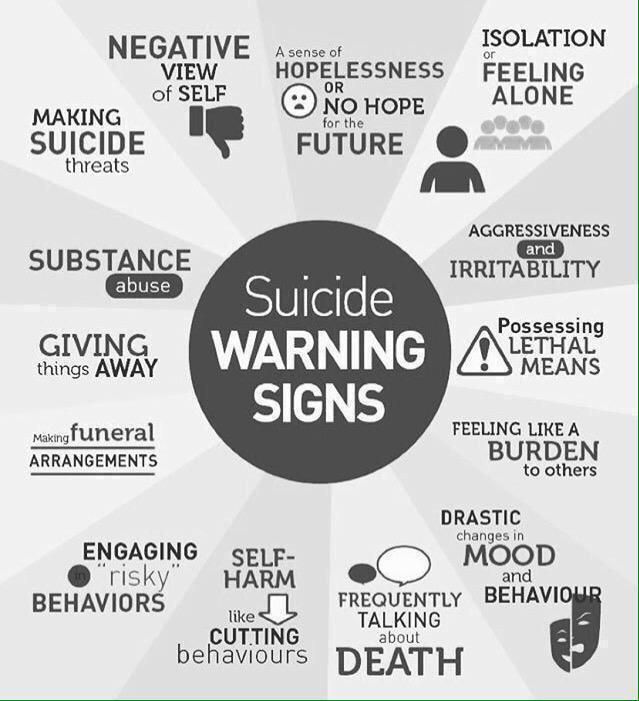
Because it would prevent SUICIDE. Yes Suicide. Projecting hurt and pain helps bring awareness to the person’s circle about their mental state which can prevent them or others from getting worse.

As a survivor or suicide, depression, anxiety, and still working on my PTSD, I LOVE EXPRESSING MY WEAKNESSES as much as celebrating my highlighting moments in life.

Be balanced people. You can’t just keep projecting to the world that life is perfect– because if it is for you — then it isn’t for someone else, so if you did the math we are still in a negative. Which means we need to come together and show that life has both good and bad and as a community of humans we need to help each-other, not pull each-other down.


A Public FIRE Poem Letter To My Ex

A Public FIRE Poem Letter To My Ex

blazing-fire-flame-background-and-textured-pink-fire-background_3236-296 (1)

YOU RUINED MY NAME. 

CALLED ME “PSYCHO” …OH, AND INSANE.

YOU LAUGHED SO HARD.

AND TOOK PLEASURE IN MY PAIN.

ALL BECAUSE I LOVED YOU AND WANTED YOUR LAST NAME.

DON’T FORGET, OUR MUTUAL FRIENDS WENT AGAINST ME AND MY TRUTH.

I GUESS THAT’S WHAT I DESERVE AS AN HONEST YOUTH?

YOU ALWAYS TOLD ME YOU HATED YOUR MOTHER.

AND TOOK PRIDE IN PLAYING ME AS IF I WAS JUST ANOTHER.

YOU CHEATED ON ME MORE THAN TWICE. 

WHEN I WANTED TO BE YOUR ARMENIAN WIFE AND MAKE YOU DAMATS RICE.

YOU LIED AND LIED AND LIED AND LIED AND LIED.

NOT UNDERSTANDING OR GIVING A DAMN ABOUT THE AMOUNT OF TEARS CRIED

I TOLD YOU 1.5 MILLION TIMES I WANTED TO WAIT.

BUT YOU TOOK THAT AS AN OPPORTUNITY TO HATE.

I WAS SUICIDAL FOR THE PAST FOUR YEARS.

ALL. BECAUSE. YOU. INSTILLED. HORROR. AND. FEARS.

I HOPE YOU’RE HAPPY ENJOYING YOUR TIME WITH YOUR RANDOM FAKE “WIFE”.

I’M SORRY I WAS TRADITIONAL IN MY VIEWS AND WANTED AN ALL ARMENIAN LIFE.

NOW GO REST YOUR KIDS AND TELL THEM A BED TIME STORY.

AND PRETEND THIS REALITY DOESN’T EXIST AND I’M JUST A MAKE BELIEVE STORY.

                                                                                                      THE GIRL YOU GAS-LIGHTED, 

                                                                                                                           DR. ANONYMOUS

b54851670596830007500869827d36d8


PTSD

0872 antibullyWM

hopewarning-signs-suicide